
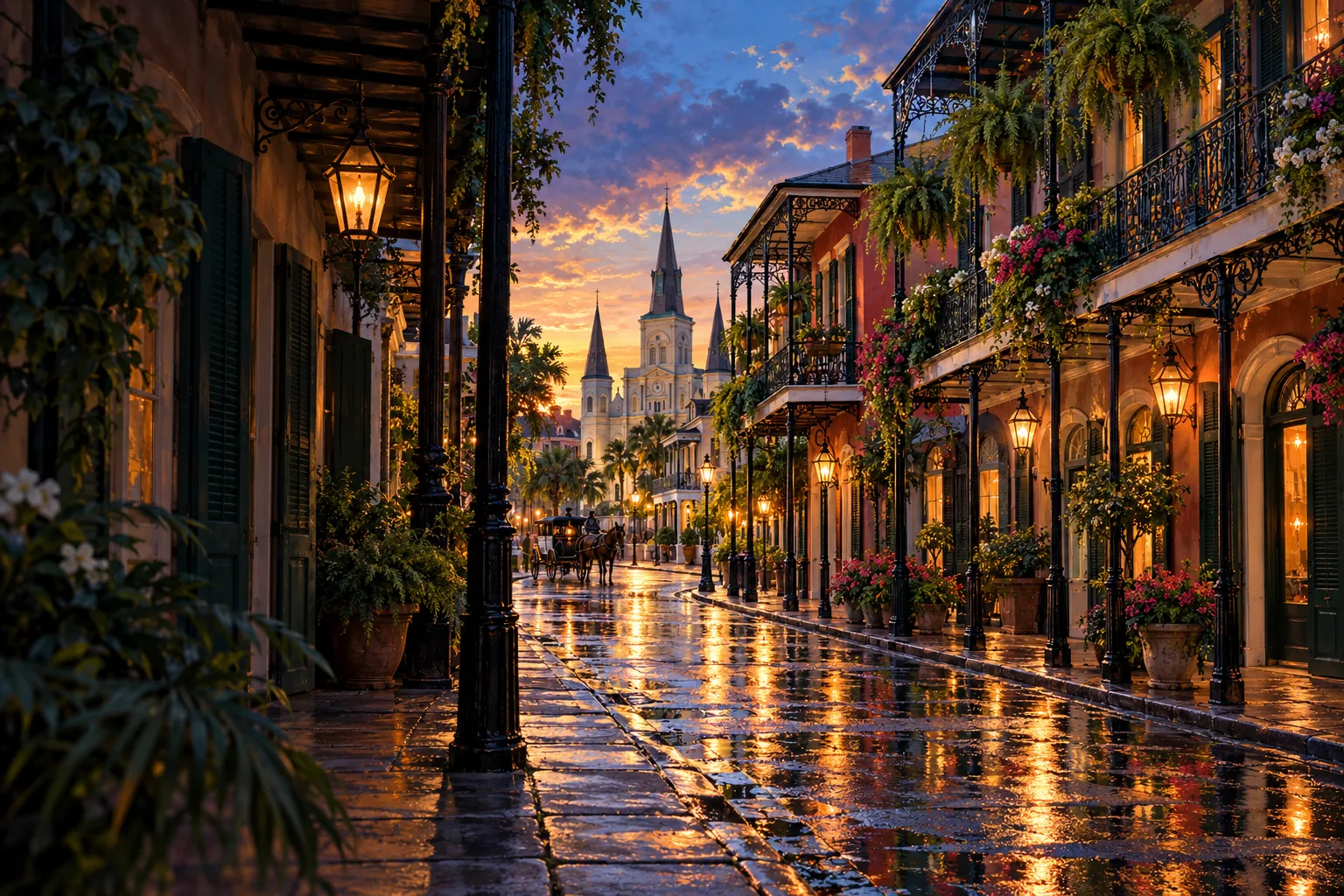
Understanding French Quarter Parking Zones
The historic grid of the French Quarter is divided into distinct zones that dictate where a vehicle may remain stationary. The most significant hurdle for travelers is the Residential Parking Permit (RPP) zone. These areas are designated to protect parking access for residents. In an RPP zone, vehicles lacking a valid neighborhood permit are strictly limited to two hours of parking. The City of New Orleans Department of Public Works monitors these blocks frequently, and overstaying the limit typically results in a fine. Drivers must check every block for signs indicating RPP status, as these restrictions can change from one street to the next.
Beyond residential blocks, the "Upper" French Quarter near Canal Street contains a higher concentration of metered spaces. However, high demand means that finding an available spot is often difficult. Travelers should also be aware of temporary "No Parking" zones. These are often established for construction, film productions, or special events and are marked by yellow signs. These temporary signs override all permanent parking permissions, and failure to comply usually leads to immediate towing. Maintaining awareness of these signs is critical for avoiding the city's impound lot.
Street Parking Regulations and Metered Hours
For those who locate a street spot, understanding the municipal meter system is the next step. As of 2026, the standard rate for on-street parking within the French Quarter and the adjacent Central Business District is $3.00 per hour. These rates are enforced from 8:00 a.m. to 7:00 p.m., Monday through Saturday. Sunday is the only day when street meters are not active, allowing for free parking, though all other safety and residential rules remain in full effect. Drivers should verify the specific holiday schedule via official city resources to avoid unexpected citations, as not all holidays exempt meters from enforcement.
Payment for metered parking can be handled at physical kiosks, which typically accept both coins and credit cards. However, the ParkMobile app is the standard method for managing parking sessions in New Orleans. The app allows users to start a session, receive notifications before time expires, and extend their stay remotely. A malfunctioning kiosk does not exempt a vehicle from payment requirements; drivers are expected to use the mobile app or locate a functioning kiosk nearby to remain in compliance with city ordinances.
Avoiding Towing Traps and Municipal Fines
New Orleans is known for its vigilant parking enforcement, particularly in historic districts where narrow streets must remain clear for emergency vehicles. Several specific violations carry heavy penalties and a high risk of towing. One of the most frequent errors is parking too close to a fire hydrant. Municipal code requires a minimum clearance of 15 feet from any hydrant. Violating this rule results in a fine and immediate eligibility for towing. Similarly, vehicles must be parked at least 20 feet away from any intersection or crosswalk to ensure adequate visibility for pedestrians and other drivers.
Another critical rule involves the "neutral ground," which is the local term for the median strip between opposing lanes of traffic. Parking on the neutral ground is strictly prohibited throughout the city and is a common reason for a vehicle to be towed. Additionally, vehicles must be parked within 18 inches of the curb and must face the direction of traffic flow. For those utilizing handicapped parking, a valid permit must be clearly displayed; the fine for unauthorized parking in a designated handicapped space is among the highest in the city, reaching $500.00. Vehicles must also be at least three feet away from any active driveway to avoid being cited.
Commercial Garages and Off-Street Parking Options
Given the challenges of street parking, many visitors find that commercial garages offer a more practical and secure solution. Premium Parking is a primary operator in the French Quarter, managing numerous lots and multi-level garages. While rates are dynamic and can fluctuate based on demand, travelers can generally expect to pay standard daily rates for the district. Many of these facilities allow for advanced reservations through mobile apps, which is highly recommended during peak tourist seasons or major festivals.
Hotel valet services are another option, providing convenience but often at the highest cost. Many historic hotels utilize off-site garages, which can result in a wait time when requesting a vehicle. For those looking to manage costs, self-parking in a nearby public garage can often save a significant amount per day. The riverfront area, managed by the French Market District, also provides accessible large-scale parking near Jackson Square and the Moonwalk riverfront path. These lots are generally easier to navigate than the interior streets of the neighborhood.
Event-Specific Parking Restrictions
During major New Orleans events, such as Mardi Gras, the parking landscape changes dramatically. The city frequently implements "No Parking" zones across entire blocks to accommodate parade routes and large pedestrian crowds. The New Orleans Police Department (NOPD) typically begins clearing these zones several hours before an event starts, and any vehicle remaining in a designated tow-away zone will be moved to the city's impound lot. Utilizing a garage in the Central Business District and walking or taking a streetcar is the most efficient way to reach the historic district during these high-traffic times.
Verification Checklist
- Temporary Signage: Check the entire block for yellow signs that override permanent parking rules.
- Meter Holidays: Verify the city holiday schedule to determine if street meters are active.
- Residential Boundaries: Ensure the vehicle is not parked in an RPP zone for longer than two hours.
- Safety Clearances: Maintain a 15-foot distance from fire hydrants and avoid parking near intersections.
- Garage Reservations: Use a parking app to reserve a spot in a commercial garage in advance.
Sources and update notes
This guide was developed through independent research of municipal ordinances for the 2026 season. Factual information regarding rates and regulations is based on the following official sources: