Quick answer: Stay in the French Quarter if you want to be steps away from iconic jazz, historic architecture, and the energy of Bourbon Street—but request an interior-facing room to avoid noise. Choose the Central Business District (CBD) if you prefer modern luxury, larger rooms, and a quieter environment that is still a 15-minute walk from the historic center.
Atmosphere and Aesthetics: Historic vs. Modern
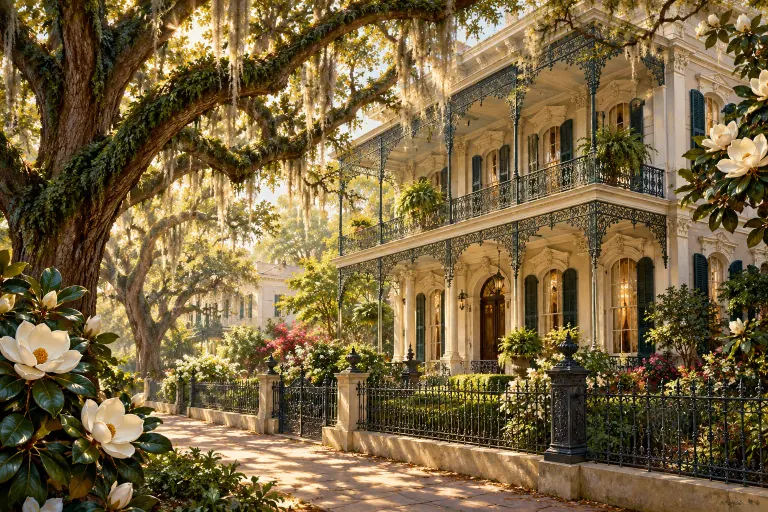
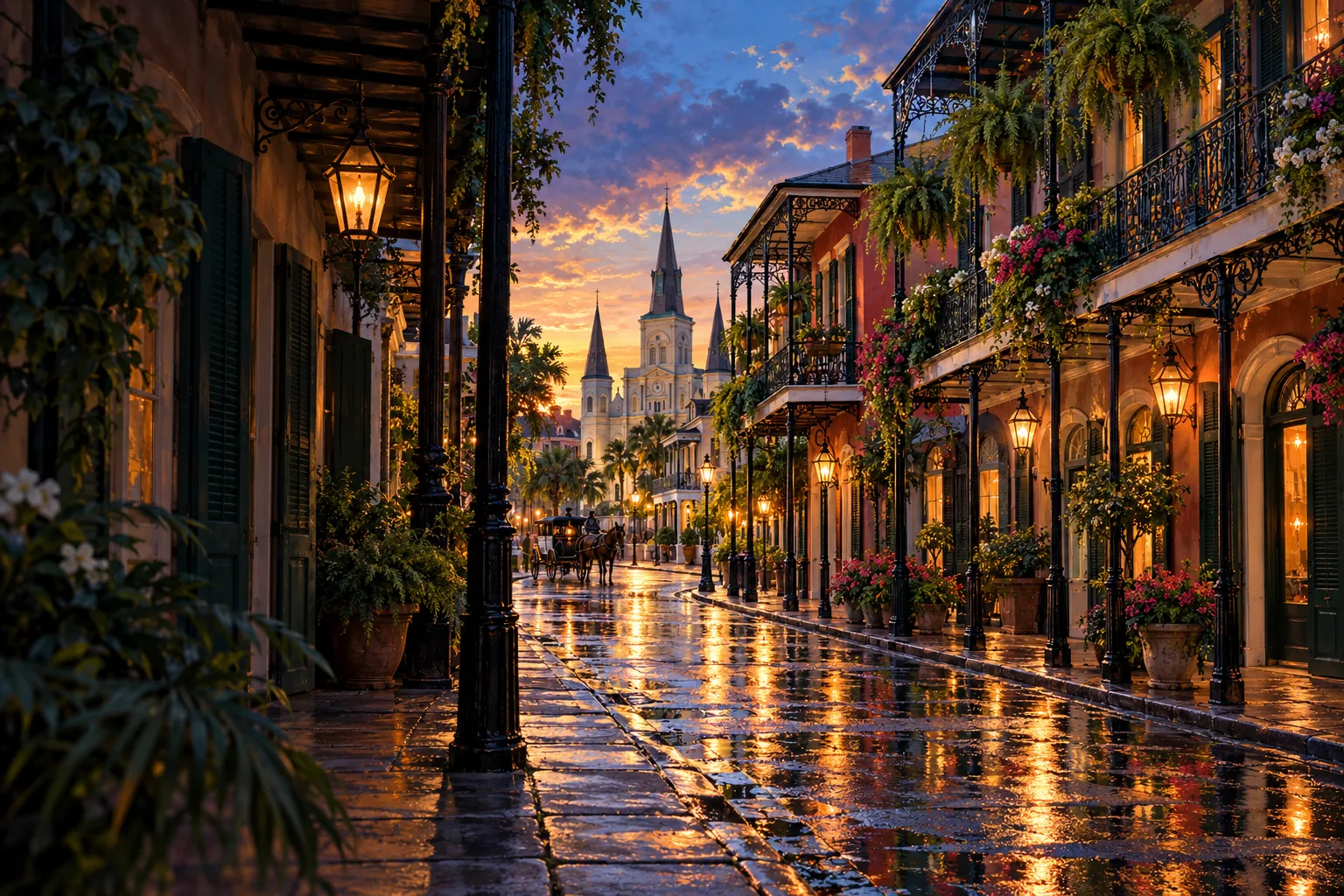
The French Quarter (Vieux Carré) is the city’s oldest neighborhood, characterized by narrow streets, wrought-iron balconies, and hidden courtyards. Staying here is an immersive experience where the scent of jasmine and the sound of brass bands are constant companions. The aesthetics are strictly preserved, meaning you won't find high-rise buildings or modern glass facades. It feels like a living museum, though one that is densely packed with tourists and street performers.
In contrast, the CBD and the adjacent Warehouse District offer a metropolitan feel. Here, historic brick warehouses and grand 19th-century banks have been converted into sleek lofts and high-end hotels. The streets are wider and the skyline is defined by skyscrapers and the massive Caesars Superdome. While it lacks the "storybook" charm of the Quarter, the CBD offers a sense of space and professional polish that many travelers find refreshing after a day in the crowded historic district.
Walkability and Transit Access for First-Timers
For first-timers, walkability is a primary concern. The French Quarter is almost entirely walkable, measuring roughly 0.6 miles by 0.8 miles. From Jackson Square, you can reach almost any corner of the neighborhood within 10 to 12 minutes on foot. However, be aware that sidewalks can be uneven and narrow, particularly in the residential sections of the Lower Quarter.
The CBD is equally walkable but covers a larger area. Walking from a major CBD hotel on Poydras Street to Jackson Square typically takes 15 to 20 minutes. Canal Street serves as the main transit artery. According to the New Orleans Regional Transit Authority (RTA), the streetcar lines are the most efficient way to see the city without a car, and staying in the CBD puts you at the nexus of the St. Charles and Rampart-St. Claude routes [1].
Noise Levels and Sleep Quality Comparison
Sleep quality is a significant differentiator. The French Quarter never truly sleeps. Bourbon Street is the epicenter of noise, with clubs pumping music until dawn. Even blocks away on Royal or Chartres, you may encounter late-night revelers and early-morning trash collection. Pro tip: If staying in the Quarter, always check if your room is "street-facing" or "interior courtyard-facing." Interior rooms are significantly quieter but often lack windows with a view.
Hotel Styles and Room Sizes: Boutique vs. Luxury
French Quarter hotels are largely boutique properties and historic inns. Rooms tend to be smaller, and elevators can be slow in older buildings. However, properties like the Hotel Monteleone or the Omni Royal Orleans offer historic grandeur and famous carousel bars that are part of the city’s fabric.
The CBD is where the city’s recent luxury investments are concentrated. In 2026, the district saw the opening of the Fairmont New Orleans, adding 250 luxury rooms to the market [2]. Other recent additions include the Element New Orleans Downtown (opened February 2026) and the renovated Caesars New Orleans Hotel & Casino. These properties offer modern amenities like expansive fitness centers and standardized high-speed internet. For travelers who prioritize room size and modern fixtures, the CBD is the clear winner.
Safety and Street Lighting After Dark
The French Quarter is heavily policed, especially near Bourbon and Royal Streets. However, lighting relies on historic gas lamps, which can leave side streets feeling dim. Visitors are generally advised to stay on well-traveled thoroughfares after dark. The CBD features modern, bright LED lighting and wider vistas, which can feel more secure for those unfamiliar with the city.
One specific area to note in 2026 is the ongoing construction on Lower Decatur and St. Peter Streets. The Sewerage and Water Board of New Orleans (SWBNO) has been conducting major subsurface utility work that has fenced off several blocks, affecting foot traffic and visibility [3]. The project is slated for completion by late fall 2026, but visitors should verify current closures before walking through the Lower Quarter at night.
Final Verdict: Which Neighborhood Fits Your Trip?
The French Quarter is for the traveler who wants an immersive experience. If your dream trip involves waking up to the sound of a horse-drawn carriage and being a three-minute walk from a jazz club, the Quarter is your home. It is best for those who value atmosphere over amenities.
The CBD is for the traveler who values comfort and modern luxury. It is the ideal base for those who plan to explore multiple neighborhoods using the CBD as a central transit hub. By staying in the CBD, you are never more than a short walk or a quick rideshare from the French Quarter, but you gain the peace of mind that comes with modern infrastructure.
What to verify before you go
- Construction Updates: Check the official NOLA Ready or SWBNO websites for the latest on the Decatur Street infrastructure project.
- Hotel Room Orientation: If booking in the French Quarter, confirm if your room faces the street or an interior courtyard.
- Transit Passes: Download the Le Pass app from the New Orleans RTA to purchase "Jazzy Passes" for the streetcar.
How the two neighborhoods price across the calendar
The Quarter and the CBD respond to different demand engines, and the gap between them moves. Quarter rates track leisure peaks — festival weekends, holidays, big event dates — while CBD rates track the convention calendar, spiking midweek when a citywide event fills the towers and softening on the weekends business travelers leave. This creates exploitable patterns: a leisure weekend during a quiet convention stretch often finds the CBD’s larger inventory undercutting comparable Quarter rooms, while a midweek stay during a major conference can flip the comparison entirely. Before you anchor to either neighborhood on price, check both for your exact dates and glance at the convention calendar; the “expensive” neighborhood is not a fixed fact but a function of what else is happening in the city that week. When rates are close, let the itinerary decide, as the rest of this guide argues — but when one side is clearly compressed, the savings on the other usually outweigh the few extra walking minutes.
Sources and update notes
This guide was compiled using independent research and official data as of August 2026.