Understanding the Roux: From Blonde to Dark Chocolate
The soul of New Orleans gumbo is the roux—a mixture of flour and fat cooked to varying depths of color. A blonde roux is cooked briefly, providing a light, nutty base for seafood gumbos where delicate flavors of shrimp and crab must remain prominent. As the cooking time increases, the roux transitions to a peanut butter shade, offering a more toasted profile suitable for chicken and sausage versions.
However, the most iconic New Orleans bowls often rely on a dark chocolate or "dark mahogany" roux. This requires intense patience, as the flour is stirred constantly for up to an hour to reach a savory, near-burnt complexity. At Mr. B’s Bistro, this deep mahogany roux is the foundation of their signature Gumbo Ya-Ya. The Southern Foodways Alliance notes that a successful roux is a mark of a cook's skill, as a single scorched moment can ruin the entire pot. A darker roux generally translates to a richer, more robust flavor profile.
Creole vs. Cajun: Identifying the Key Differences
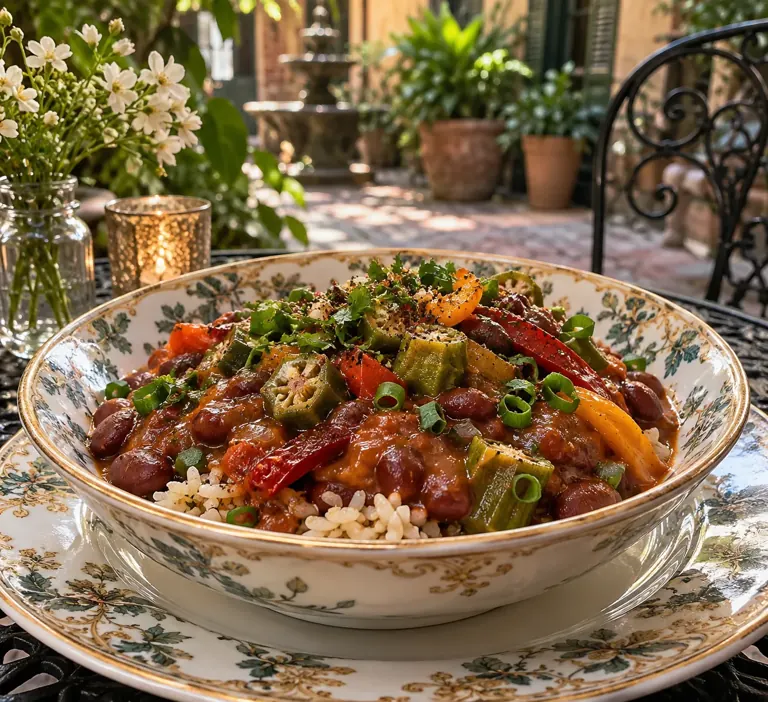
While New Orleans is the heart of Creole culture, its kitchens often blend Creole and Cajun techniques. Creole gumbo typically uses okra or filé powder (ground sassafras) as a thickener and may include tomatoes, a practice rarely seen in rural Cajun cooking. Creole versions are also known for their diversity of protein, often mixing seafood, ham, and sausage. These bowls tend to be lighter and more herbal than their counterparts from the western parishes.
Cajun gumbo leans into darker rouxs and rarely utilizes okra or tomatoes. It is traditionally a "land-based" dish, focusing on smoked andouille sausage and chicken. In the city, many restaurants offer a hybrid style. The Gumbo Shop, for instance, serves a Seafood Okra Gumbo that is textbook Creole, alongside a Chicken and Andouille Gumbo that reflects Cajun smokiness. Understanding these styles helps you navigate menus: choose Creole for herbal, seafood-forward bowls and Cajun for rich, meat stews.
The Treme Tradition: Li'l Dizzy’s and Dooky Chase
The Treme neighborhood holds the city’s most significant culinary lineages. Li'l Dizzy’s Cafe is operated by the Baquet family, whose history in New Orleans dining spans generations, starting with Eddie Baquet Sr. at the legendary Eddie’s. Their Creole filé gumbo is widely considered one of the most authentic in the city, utilizing a family recipe that emphasizes a seasoned, balanced roux. It is a cornerstone of Treme food culture, serving as a vital gathering point for locals and visitors alike.
Nearby, Dooky Chase’s Restaurant stands as a landmark of Creole excellence, formerly led by the "Queen of Creole Cuisine," Leah Chase. The Chase family has maintained a standard of fine dining that is inseparable from the city’s history. Their gumbo is celebrated for its precision, but it is their seasonal Gumbo Z’Herbes that attracts global attention. The Southern Foodways Alliance highlights these institutions as vital cultural records, preserving the heritage of the families who shaped the city’s identity.
French Quarter Classics and Neighborhood Favorites
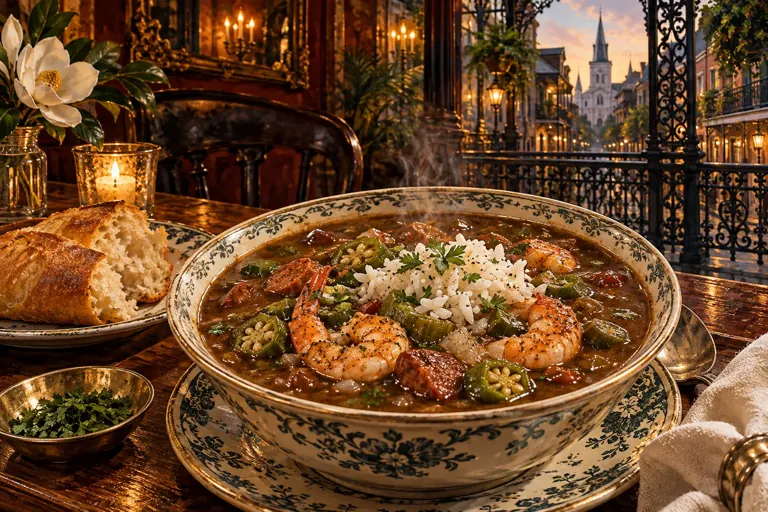
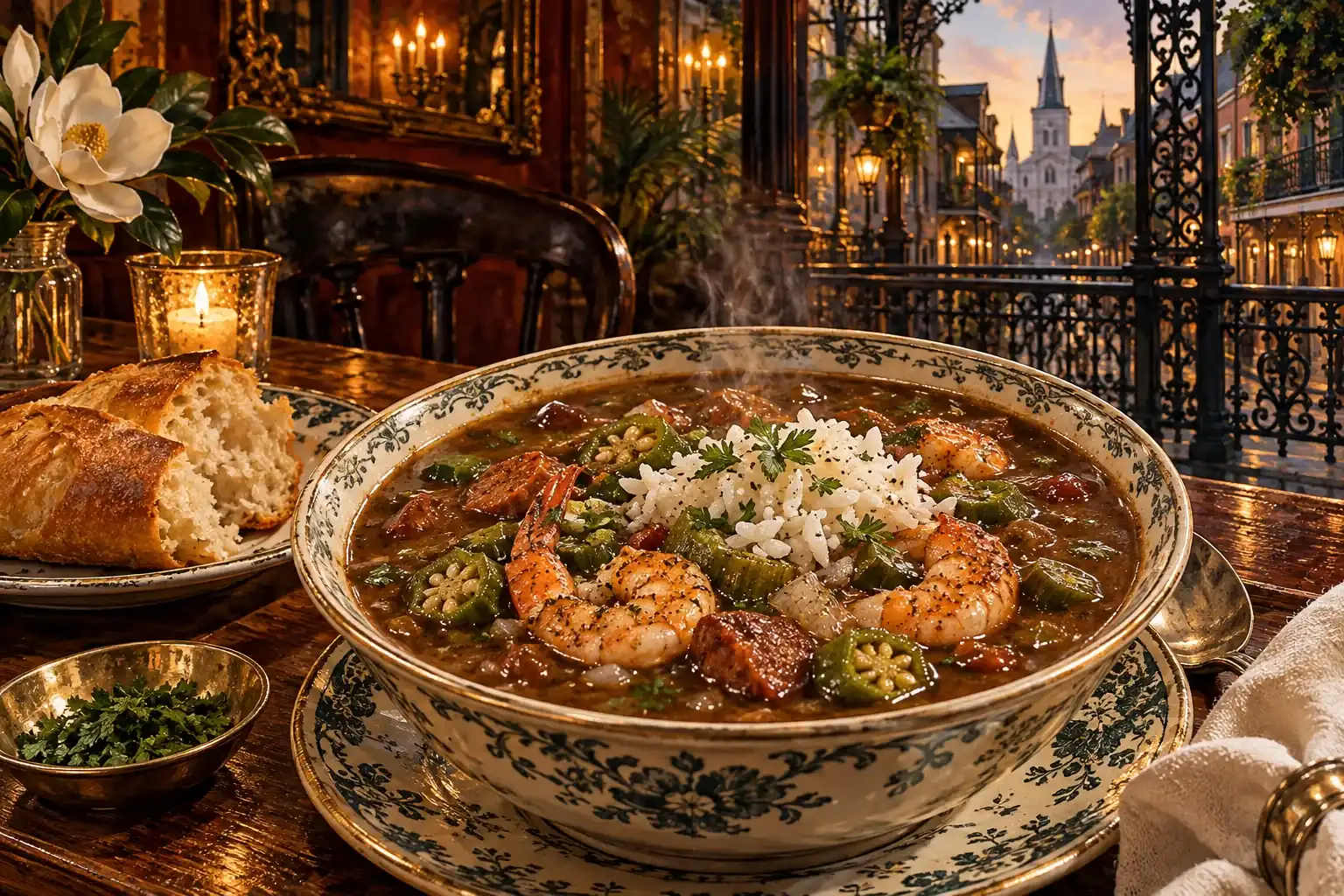
The French Quarter offers several historic pots that have sustained generations of travelers. The Gumbo Shop on Saint Peter Street is perhaps the most famous, known for its consistent Seafood Okra Gumbo. For a more refined experience, Arnaud’s and Galatoire’s provide upscale versions. Arnaud’s Seafood Gumbo is prized for its clarity, while Galatoire’s remains a staple of the city’s storied Friday lunch tradition.
Outside the Quarter, neighborhood favorites offer a more relaxed atmosphere. In Mid-City, Liuzza’s by the Track is a local icon, famous for a Creole gumbo that is both generous and deeply savory. In Uptown, High Hat Cafe serves a notable Chicken and Andouille Gumbo. These spots typically offer lower price points than their French Quarter counterparts, making them excellent choices for travelers looking to explore the city’s broader culinary landscape.
Seasonal Specials: The Holy Thursday Gumbo Z’Herbes Tradition
The most unique gumbo tradition in New Orleans is the serving of Gumbo Z’Herbes on Holy Thursday. Originally a meatless Lenten dish, it evolved at Dooky Chase’s into a rich stew containing various meats. Tradition dictates that the number of greens used—typically nine—corresponds to the number of new friends the eater will make in the coming year. Because it is often only available for a few hours on a single day, it is essential to verify serving times via the restaurant’s official channels.
Gumbo Etiquette: Rice, Potato Salad, and Filé
Gumbo is traditionally served over white rice, which absorbs the rich flavors of the stew. However, a popular variation involves adding a scoop of potato salad to the bowl. The cool, creamy potatoes provide a sharp contrast to the hot, spicy roux. Many New Orleans restaurants now offer potato salad as an optional side or addition. Another essential is filé powder, made from ground sassafras. Introduced by the Choctaw people, it acts as both a thickener and an earthy seasoning. It should be added at the table rather than during the cooking process to avoid a stringy texture.
For a complete experience, consider staying in the Warehouse District or Lower Garden District for easy access to these legendary pots via the St. Charles streetcar. Booking a guided food tour in the Treme is also recommended to better understand the legacy of the city's most influential culinary families.
What to verify before you go
- Operating Hours: Neighborhood spots like Li'l Dizzy’s may close by mid-afternoon; always verify current hours before traveling.
- Menu Availability: Some restaurants serve different gumbo styles on specific days; check the "Gumbo of the Day" listings online.
- Reservations: Historic French Quarter venues like Arnaud’s and Galatoire’s recommend booking in advance, especially for weekends.
- Holy Thursday Dates: The Gumbo Z'Herbes tradition follows the lunar Easter calendar; check the specific date for the current year.
Sources and update notes
This guide was produced through independent research for NewOrleans.blog, citing historical data from the Southern Foodways Alliance and current operational details from primary restaurant sources. For the latest menu updates and hours, please consult the following official sites: