The Search for Authentic Vegan Creole
Creole cuisine is the heart of New Orleans, blending French, Spanish, West African, and Caribbean influences. Traditionally, this heritage relies on butter, cream, and meat. For years, vegan visitors were relegated to basic vegetable plates lacking the complex flavors of a true Creole roux. However, the landscape has shifted. Independent research for NewOrleans.blog shows that local chefs are now applying traditional Creole techniques to plant-based ingredients, ensuring the "holy trinity" of onions, bell peppers, and celery remains the star without animal fats.
Authentic vegan Creole requires replacing depth of flavor through long-simmered vegetable stocks, smoked mushrooms for umami, and high-quality oils that mimic lard's richness. Whether dining in a historic French Quarter institution or a modern soul food joint in the Treme, the goal is to experience New Orleans history through a plant-based lens.
Hidden Ingredients: Navigating Lard and Seafood Stock
The most critical advice for vegan travelers in New Orleans is to never assume a vegetable dish is animal-free. Creole cooking relies on "seasoning meat"—small amounts of smoked ham hock, tasso, or salt pork used to flavor beans and greens. Even if a menu lists "Red Beans and Rice," historic kitchens often simmer those beans with pork fat for hours. Similarly, the rich roux forming the base of most gumbos and etouffees is traditionally made with lard or butter, and the liquid is almost exclusively concentrated seafood or chicken stock.
To navigate safely, explicitly ask about the fat used in the roux, the stock base, and the presence of seasoning meat. Many restaurants may still use chicken stock for vegetable soup or lard in cornbread. Citing ingredient checks from Mississippi Vegan, it is clear that "vegetarian" options can contain hidden dairy or eggs unless specifically identified as vegan. Always confirm the "Vegetarian Dish of the Day" at places like Gumbo Shop is prepared without animal fats before ordering.
Secret Vegan Menus at Historic French Quarter Spots
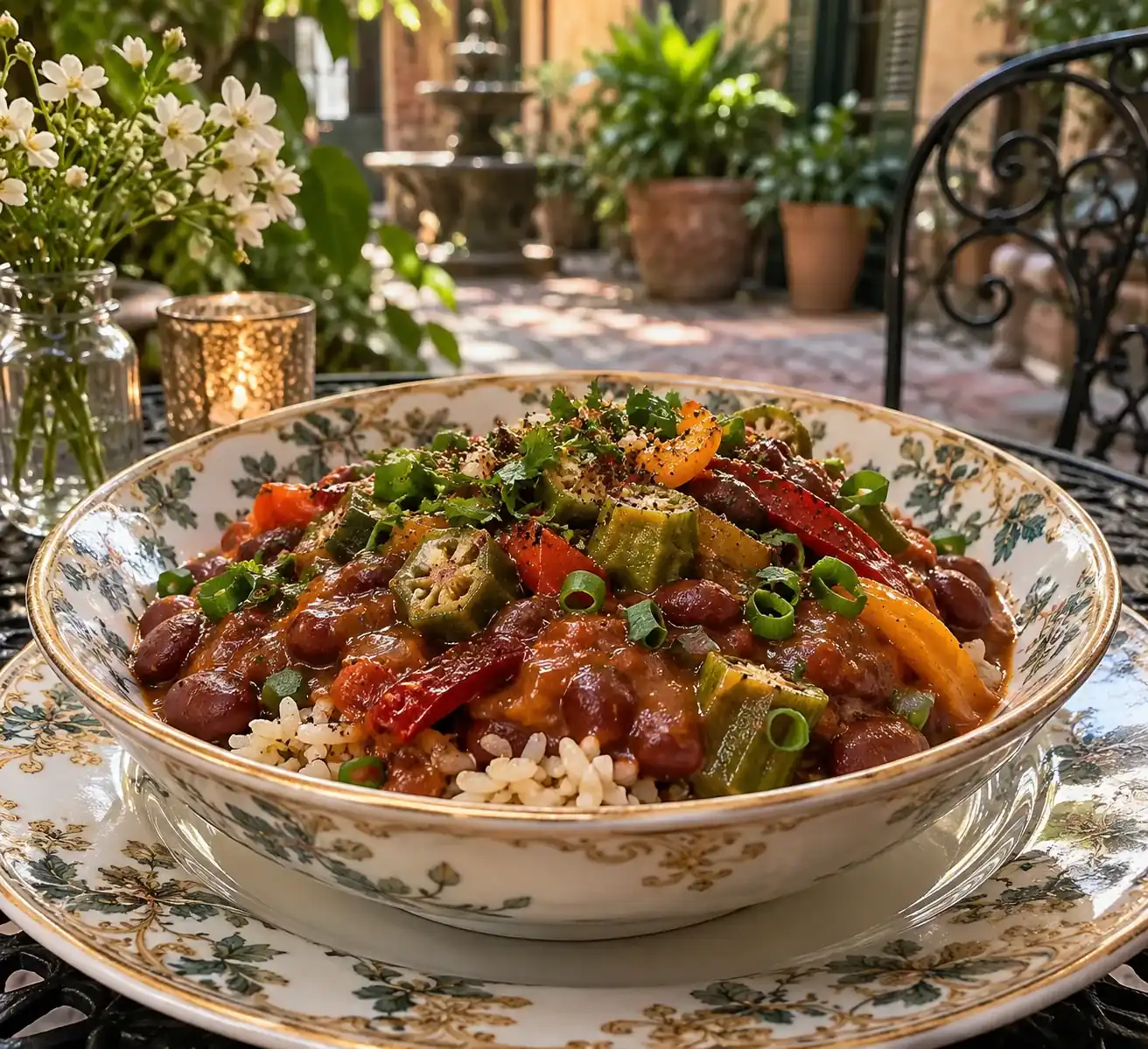
The French Quarter is home to "Grand Dames" like Antoine's and Arnaud's. While known for tradition, they accommodate vegan guests if asked. Antoine's Restaurant, the oldest family-run restaurant in the country, often creates off-menu vegetable sautés with rich tomato sauces and rice that capture Creole seasoning. Similarly, Arnaud's provides high-end vegan adjustments for guests who call ahead.
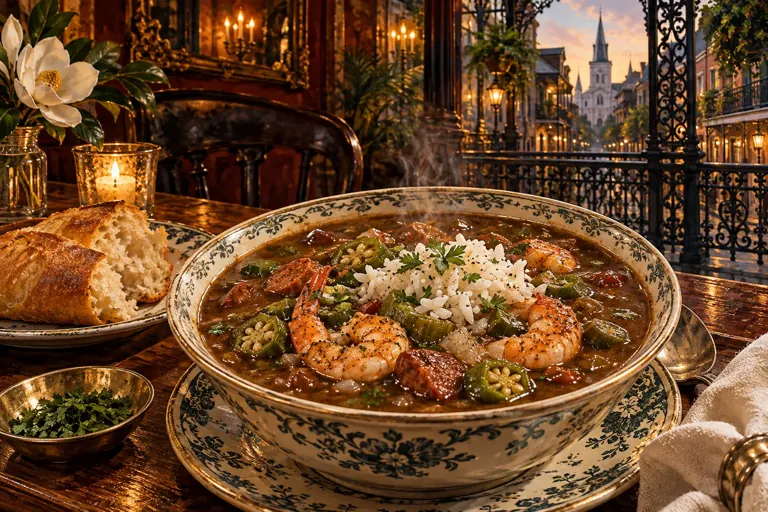
For a more accessible experience, Gumbo Shop is a mandatory stop. They are famous for Gumbo Z’Herbes, a heritage dish traditionally served on Holy Thursday. Gumbo Shop offers a version recognized as a vegan-friendly staple. It is a thick stew made from various greens and a deeply toasted roux, providing the textural experience of classic gumbo without seafood or sausage. Because daily specials change, verify the daily stock base with your server before sitting down.
Modern Soul Food: Vegan Jambalaya and Etouffee
The real plant-based revolution is happening in neighborhoods like the Treme and the Marigny. Sweet Soulfood on North Broad Street is a 100% plant-based, organic, and soy-free destination. Their rotating buffet includes vegan jambalaya using seasoned plant proteins to mimic smoky andouille sausage, alongside creamy mac and "cheez" and seasoned collard greens that avoid traditional ham hock seasoning.
Another essential stop is I-Tal Garden on St. Claude Avenue. This family-owned spot specializes in healthy alternatives to traditional soul cuisine. Standout dishes include jackfruit ribs and "crabless" crab cakes made from hearts of palm. Their creole greens use spices and slow-simmering to achieve a savory profile rivaling any meat-based version. These establishments prove Creole flavors depend on spice mastery and slow-cooking, not animal products.
Seasonal Traditions: Finding Vegan Gumbo Z’Herbes
Gumbo Z’Herbes is an elusive dish made with an odd number of greens—seven for luck, nine for a blessing. While historic versions often include meat, its vegetable-forward nature makes it ideal for vegan transformation. Beyond Gumbo Shop, many local pop-ups feature it during spring.
During Lent, check Meals from the Heart Cafe in the French Market. They offer a consistent vegan gumbo that avoids heavy fats while maintaining a robust profile. For fine-dining takes, calling ahead to boutique spots in the Warehouse District can yield a plant-based Gumbo Z’Herbes highlighting Louisiana’s spring harvest. Always cite official sources or social media to confirm availability, as these items are frequently limited to specific days.
Neighborhood Gems for Plant-Based Creole Classics
Several neighborhood cafes offer inventive takes on Creole staples. Breads on Oak is a fully vegan bakery and cafe serving authentic vegan gumbo and "muffanada" sandwiches. Their use of traditional fermentation and local ingredients ensures their bread respects city standards. For a casual lunch, Killer Po'Boys offers a Roasted Sweet Potato Po'Boy with braised greens and spicy pecans.
If staying in the Garden District, consider booking a boutique hotel near the St. Charles streetcar for easy access to Uptown gems. When details like hours change—especially for startups like Ital Garden—verify current operations via their website before traveling. This ensures your culinary tour of the Big Easy remains seamless.
What to verify before you go
- Daily Specials: Gumbo Z’Herbes and vegan jambalaya are often rotating specials; call ahead to confirm.
- Roux Ingredients: Ask if the roux is made with oil (vegan) or butter/lard.
- Stock Base: Confirm "vegetarian" soups use vegetable stock rather than chicken or seafood stock.
- Operating Hours: Neighborhood spots like Ital Garden may have shorter hours than French Quarter institutions.
- Hidden Seafood: Verify that Worcestershire sauce or shrimp powder is not used in "vegan" sauces.
The ordering questions that save a meal
Creole cooking hides animal products in its foundations, so the menu description is only the start of the conversation. Four questions cover most of the risk: Is the stock in this dish vegetable-based, or seafood or chicken? Is the roux made with butter or oil? Are the greens or beans seasoned with pork, as tradition usually dictates? And is the fryer shared with seafood? Ask them matter-of-factly and most kitchens answer just as plainly — this city’s restaurants field dietary questions constantly. Timing helps too: servers at a quiet 5:30 seating have time to walk to the kitchen and check; the same question at Saturday peak gets a faster, less certain answer. When a server hesitates on stock or seasoning meat, treat the hesitation as the answer and order the dish the kitchen could vouch for without checking.
Sources and update notes
This guide was compiled through independent research of current New Orleans menus and official tourism data. Factual claims are based on these primary sources: