The Price Breakdown: Guided Tours vs. DIY Tasting Costs
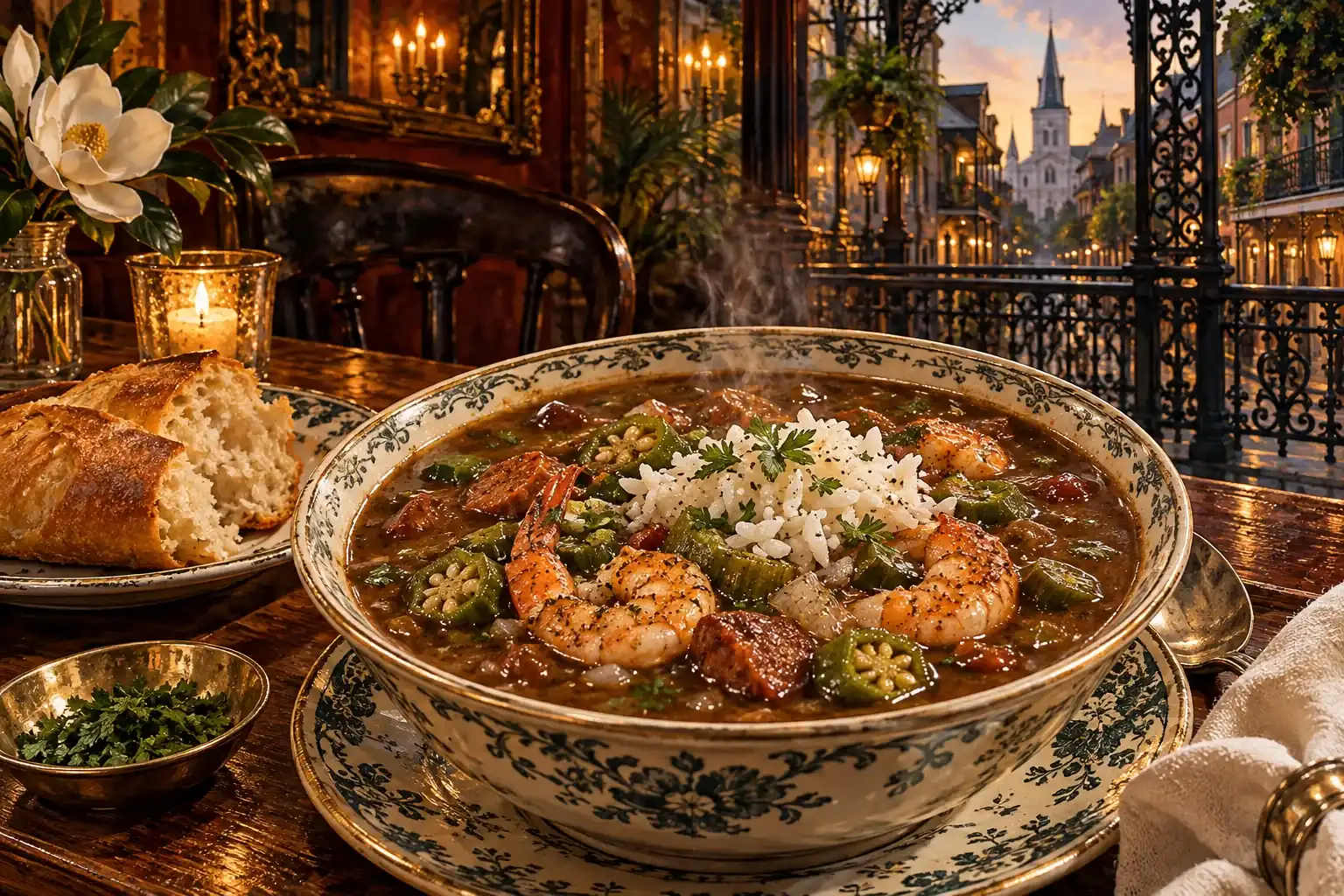
When evaluating a guided experience, the most immediate metric is the price tag. As of 2026, a standard three-hour professional food walking tour in the French Quarter typically costs between $85 and $95 per person [1]. Premium options including alcohol pairings can climb to $160. In contrast, the actual cost of the food provided is significantly lower. Most tours include five to six stops, offering small samples of staples like gumbo, jambalaya, muffulettas, and pralines.
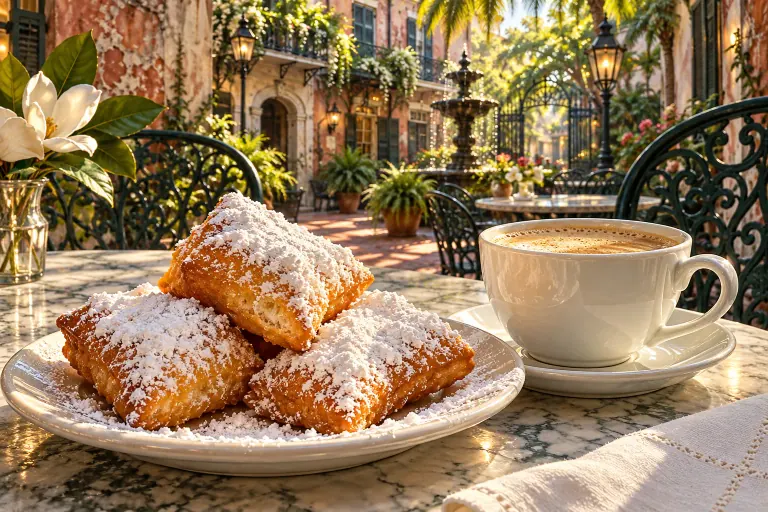
If you visited these establishments independently, a quarter-muffuletta, a cup of gumbo, a single praline, and a side of red beans and rice would cost approximately $35 to $45 total. This creates a "service premium" of roughly $40 to $50 per person. For a family of four, this means paying an extra $200 for a guide's expertise and a pre-planned route. Travelers must decide if the curated experience justifies this gap, as a DIY approach allows for larger portions that serve as a full meal, whereas tour tastings are designed as light snacks.
The Value of Context: Why a Local Guide Matters
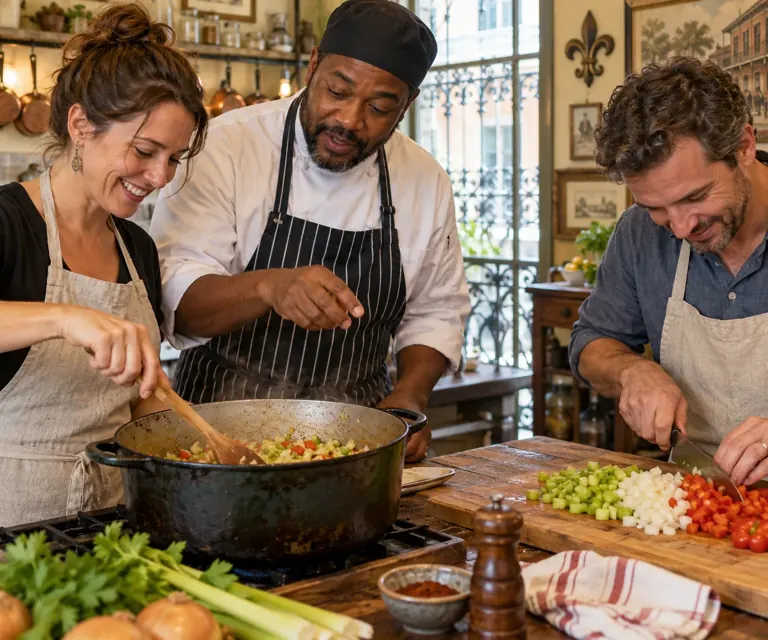
The true value of a professional tour lies in the context. New Orleans is one of the few American cities where food is inseparable from its complex social history. According to archives from the Historic New Orleans Collection, the city's menus have long served as tools of cultural preservation, reflecting the influence of French, Spanish, African, and Italian immigrants [2]. A qualified guide can explain the vital differences between Creole "city food" and Cajun "country food," a distinction often lost on visitors just looking for a spicy meal.
For example, while eating a muffuletta, a guide will point out the history of Central Grocery on Decatur Street, where Italian immigrants first combined olive salad with Sicilian bread to feed workers at the French Market. This historical narrative transforms a simple sandwich into a lesson on 19th-century immigration patterns. Without a guide, you are simply eating; with one, you are participating in a 300-year-old culinary tradition. For many, this educational component makes the $95 ticket price feel like a bargain rather than an expense.
Logistical Advantages: Line-Skipping and Reserved Seating
One of the most practical reasons to book a tour is to bypass the logistical friction of the French Quarter. Iconic locations like Cafe Du Monde are famous for long queues that can take 30 to 45 minutes on weekends. Many professional tour operators, such as Doctor Gumbo or Destination Kitchen, have established relationships with these vendors, allowing tour groups to bypass the main line or have pre-ordered items waiting at a reserved table [1].
In a city where heat and humidity can reach grueling levels, the ability to walk into a crowded restaurant and find a seat waiting is a significant luxury. Tours also handle the "choice paralysis" that many first-timers feel. Instead of spending your afternoon scrolling through Yelp reviews, a tour places you in the hands of an expert who has already vetted the quality and safety of the establishments. This efficiency allows you to see and taste more in three hours than most solo travelers could manage in a day.
When a DIY Food Crawl Makes More Sense
A DIY approach is superior for those with specific dietary restrictions or those who want to focus on a single type of food. If your goal is to find the absolute best fried oyster po-boy in the city, you are better off spending your $95 at three different specialized shops rather than taking a general tour that only offers one small bite. The DIY method also rewards the adventurous traveler who enjoys getting lost in the Marigny or Bywater neighborhoods, where food is often cheaper and more innovative than the tourist-heavy French Quarter staples. While you lose the historical narrative, you gain the freedom to eat at your own pace and prioritize your own cravings.
How to Choose the Right New Orleans Food Tour
If you decide to book a professional tour, prioritize companies that cap their group sizes at 12 or 14 people to ensure an intimate experience. Large groups often struggle to hear the guide and can feel like a "herd" moving through narrow streets. Additionally, consider the neighborhood; while the French Quarter is popular, tours in the Garden District or along Magazine Street offer a more local perspective. Check the 2026 schedules for operators like Doctor Gumbo, who offer specialized "Food and Cocktail" combos for better overall value [1].
Final Verdict: Is the Investment Worth It?
Ultimately, a New Orleans food tour is worth it if you view it as a combined history lesson and logistical service. The $50 premium you pay covers the guide's expertise, the convenience of reserved seating, and the curated narrative of the city's culinary soul. However, for returning visitors or those on a budget, the DIY crawl is the winner. The city is remarkably walkable, and the most iconic foods are easily accessible to anyone with a map and patience. Whether you choose the expert path or the independent one, the most important thing is to come hungry and ready to explore the unique flavors of the Crescent City.
What to verify before you go
- Central Grocery Status: The original Decatur Street location is currently undergoing renovations; verify their temporary sales location before visiting.
- Tour Meeting Points: Most French Quarter tours meet at central landmarks; confirm the exact address in your 2026 booking confirmation.
- Weather Policies: New Orleans tours typically run rain or shine; check the operator's refund policy regarding severe weather.
- Gratuity: Most tour prices do not include a tip for the guide; the local standard is 15-20%.
Dietary needs and group size change the verdict
Two factors shift this calculation reliably. Travelers with dietary restrictions should raise them before booking, not at the first stop — good operators substitute gracefully when warned, but a fixed tasting menu with no warning can turn a paid tour into watching other people eat. Ask specifically how many of the tour’s stops can accommodate your restriction; if the honest answer is two of six, the DIY crawl built around restaurants you vetted yourself wins outright. Group size cuts the other way: a party of six or more trying to walk into famous counters at lunch hour faces waits a tour’s reserved seating simply deletes, which makes the guided option more valuable per person precisely as the group grows. Solo travelers get a third benefit worth naming — a food tour doubles as the easiest social hour of a trip alone.
Sources and update notes
This guide was compiled through independent research for NewOrleans.blog, incorporating current 2026 pricing and operational data. Factual claims regarding culinary history and tour logistics were verified using the following primary sources: