
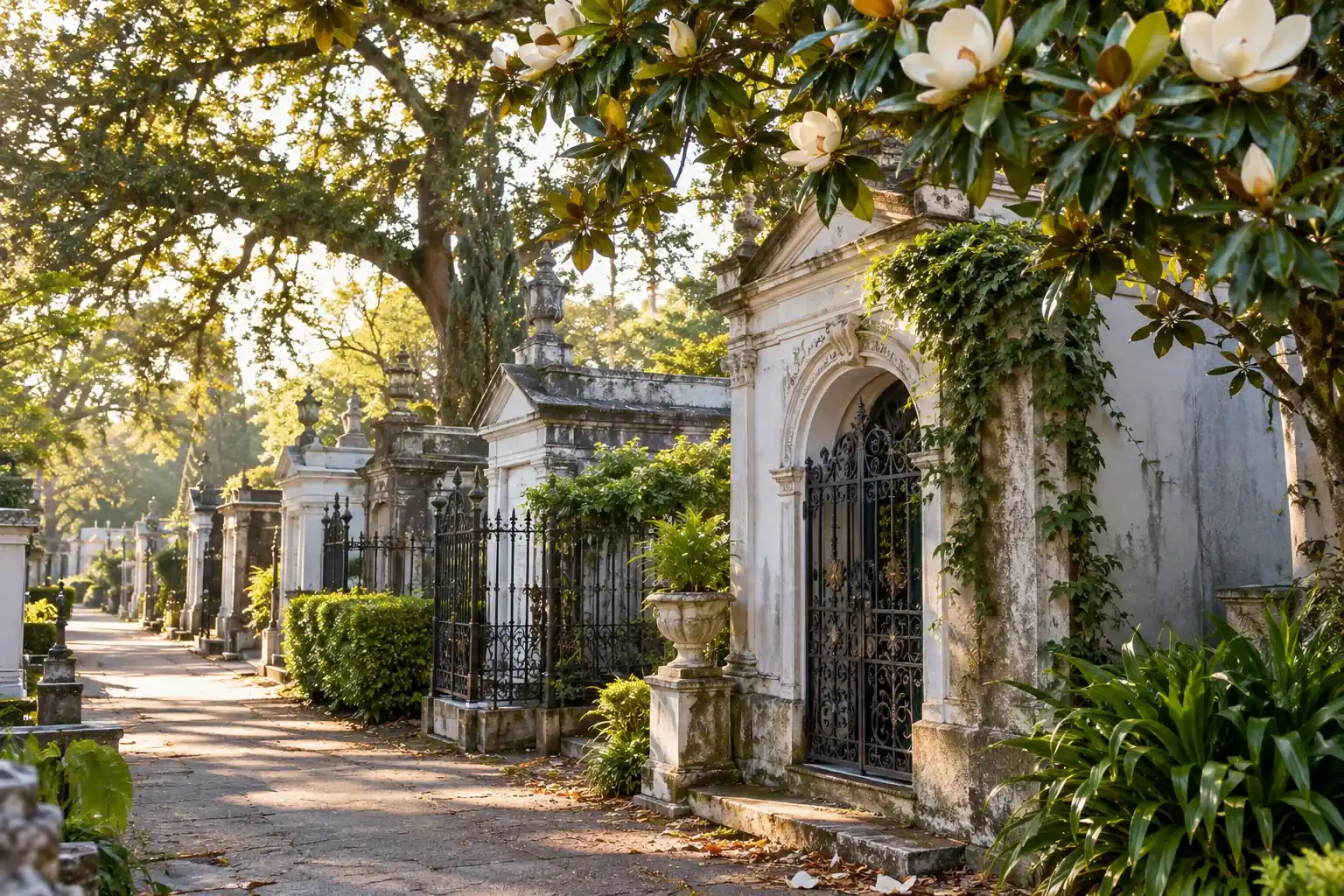
St. Louis Cemetery No. 1: Mandatory Tour Protocols
St. Louis Cemetery No. 1 is the oldest active cemetery in New Orleans and the final resting place for several famous historical figures. Due to its significance and the need for preservation, the site has been closed to the general public since 2015. Access is strictly limited to those accompanied by a licensed guide from the official provider, Cemetery Tour New Orleans, which operates under the authority of New Orleans Catholic Cemeteries. This policy protects the fragile above-ground tombs from vandalism and unauthorized interference.
The cemetery is home to the tomb of Voodoo Queen Marie Laveau and the future resting place of actor Nicolas Cage, a modern pyramid-shaped tomb. Booking a tour requires advance planning, as tickets are not sold at the gate. Reservations should be made at least 48 hours in advance, especially during peak seasons like October. Tours run daily, except on major holidays like Mardi Gras, when all Catholic cemeteries are closed to tourism. For those staying in the French Quarter, the meeting point is usually within walking distance. While the mandatory fee and schedule may feel restrictive, the expertise provided by licensed guides ensures a deeper understanding of the city's funerary traditions and supports ongoing preservation efforts.
Lafayette Cemetery No. 1: 2026 Closure and Status
Located in the Garden District, Lafayette Cemetery No. 1 is known for its appearance in numerous films. However, as of August 2026, it remains closed to the public. The City of New Orleans Division of Cemeteries continues to oversee repairs to stabilize perimeter walls and restore internal pathways damaged by root growth and subsidence. There is currently no official date for a full reopening, though family members may still access the grounds for private visitation.
Despite the closure, the historic tombs are visible through the iron gates along Washington Avenue. Travelers visiting the Garden District can still appreciate the aesthetic from the sidewalk. For those who had planned to walk through Lafayette No. 1, a guided architectural tour of the surrounding neighborhood is a practical alternative. These tours cover the history of the cemetery from the exterior while highlighting the grand 19th-century mansions that define the district. For those who insist on stepping inside a historic cemetery, Mid-City offers several accessible alternatives that remain open to the public.
Independent Exploration: Best Free Cemeteries
For visitors who prefer a self-guided experience, New Orleans offers several alternatives that do not require a paid tour. St. Louis Cemetery No. 3, on Esplanade Avenue near City Park, is a primary recommendation. It is larger than St. Louis No. 1 and features a wide variety of tomb styles, including elaborate family mausoleums and wall vaults. The atmosphere is quiet and reflective, providing a peaceful environment for photography and research. The site is easily accessible via the #91 Esplanade bus or a short rideshare from the French Quarter.
Metairie Cemetery is another essential stop for fans of funerary architecture. Built on a former horse racing track, it is one of the most opulent cemeteries in the United States. Its circular layout and massive monuments reflect the wealth of the city's elite during the late 19th century. Because of its size, many choose to drive through the grounds, though walking is permitted. Metairie Cemetery is the final resting place of numerous jazz legends and governors, making it a comprehensive site for understanding Louisiana's social history.
Other free options include Cypress Grove and Greenwood Cemetery, located at the end of the Canal Streetcar line. These cemeteries feature impressive monuments dedicated to the city's first responders. Visiting these sites allows travelers to experience the classic New Orleans cemetery aesthetic without the crowds found at the more famous French Quarter locations.
Essential Conduct and Etiquette
New Orleans cemeteries are sacred grounds and active places of rest. One critical rule is the absolute prohibition against marking or defacing tombs. A persistent legend suggests that drawing three "X" marks on the tomb of Marie Laveau will grant a wish. In reality, this is considered tomb desecration and is illegal. The charcoal or chalk used for these marks permanently damages the historic plaster and brickwork, requiring delicate restoration work by preservationists.
Gravestone rubbings are also strictly forbidden. The friction accelerates the erosion of fragile marble and limestone surfaces, many of which are already compromised by the humid climate. For photography, personal snapshots are allowed, but professional equipment typically requires a permit. Visitors must stay on established pathways and are prohibited from climbing, sitting, or leaning on the tombs and fences. Respecting these rules ensures that these historic landmarks remain preserved for future generations.
Logistics: Timing and Transportation
Planning the logistics of a cemetery visit is essential. Most cemeteries have early closing times, typically between 2:00 PM and 3:30 PM. It is advisable to check the official hours for each site before departing, as gates are strictly locked. For transportation, the city's public transit system is a reliable option. The Le Pass mobile app provides real-time tracking for streetcars and buses, making it easy to reach Mid-City cemeteries. The Canal Streetcar line is particularly convenient for reaching the cluster of cemeteries at the end of Canal Street.
Safety and comfort are also important. New Orleans cemeteries offer very little shade, and the combination of stone structures and high humidity can lead to extreme heat. Travelers should carry water, wear comfortable walking shoes, and apply sunscreen. During summer, morning visits are recommended to avoid peak temperatures. While the main tourist cemeteries are generally safe, it is wise to remain aware of one's surroundings, especially when visiting the less-frequented sites in Mid-City.
Sources and update notes
This guide was compiled using official access policies and status reports as of 2026. Factual details were verified using these primary sources:
- New Orleans Catholic Cemeteries - Official St. Louis No. 1 Access Policy
- City of New Orleans - Division of Cemeteries Status and Regulations
- Save Our Cemeteries - Preservation and Authorized Tour Information
- Cemetery Tour New Orleans - Official Booking Portal
Note: Closure status for Lafayette Cemetery No. 1 and tour requirements for St. Louis No. 1 are subject to change based on ongoing restoration progress and Archdiocese policy updates.