Taxi: the published flat-fare option
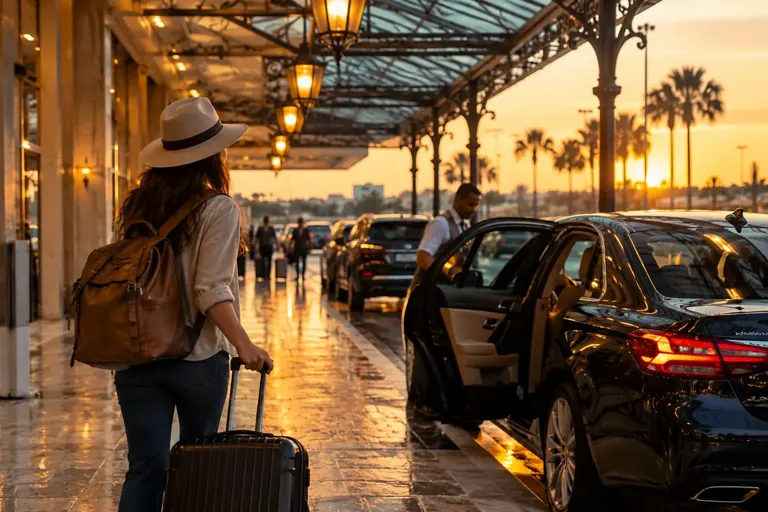
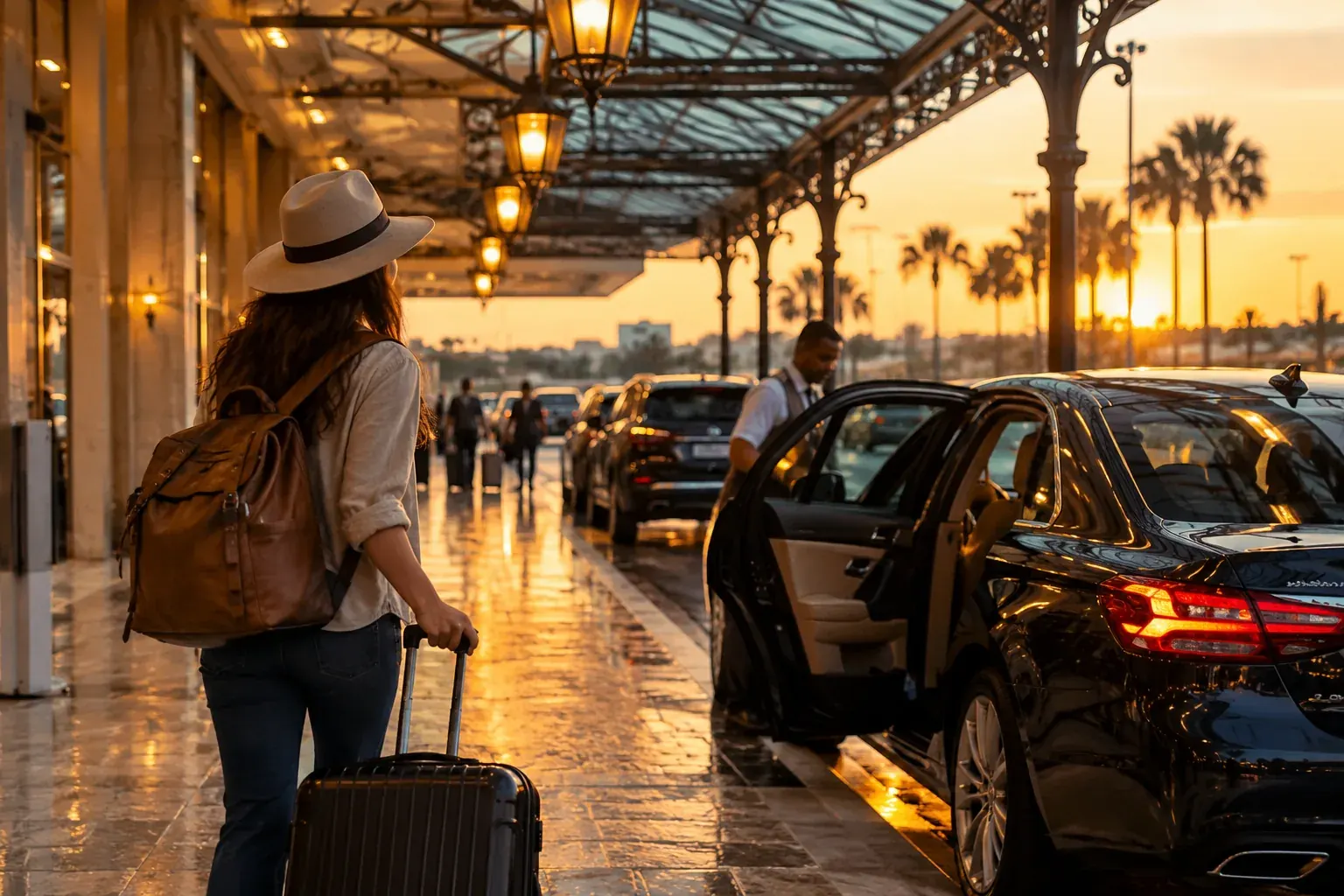
The airport’s taxi page states that taxis use the dedicated loading zone on the Arrivals Curb outside Level 1 Baggage Claim Door 7. It publishes the $36 fare for the CBD or the French Quarter west of Elysian Fields for up to two passengers, and $15 per passenger for three or more. The same page says taxis are required to accept credit cards. Confirm the total with the driver before leaving, particularly if your address falls outside the stated destination boundary.
FlyMSY does not publish a taxi journey time or a taxi-hours commitment on its cited page. This guide therefore does not promise a fixed arrival time or round-the-clock availability; confirm both directly after landing if they matter to your itinerary.
RTA Route 202: published fare, stop, and scheduled window
FlyMSY identifies RTA Airport Express Route 202 as the airport-to-New Orleans public-bus option and lists its fare as $1.25. Airport bus service is posted outside Level 1 Baggage Claim Door 2 in Zones B4 and B5, while RTA’s active stop list names the Route 202 airport stop Louis Armstrong Airport (Ground Level–Zone B5). Downtown stops on that list include Union Passenger Terminal, Main Library, Poydras/Loyola, and the Ferry Terminal.
The RTA Fall 2026 timetable, effective September 20, 2026, labels Route 202 as daily service. Its airport departures begin at 4:50 a.m. and its final listed airport departure is 10:10 p.m. The paired airport-to-Ferry Terminal timepoints produce a scheduled 26-to-41-minute range; that is not a door-to-door or traffic guarantee. Check RTA’s current timetable and service alerts on the day you travel.
Ride-app pickup: follow the airport’s current directions
FlyMSY directs ride-app passengers to the middle curb outside Level 1 Baggage Claim. The airport’s published instructions send Lyft riders through Doors 7–9 and Uber riders through Doors 9–11; non-UberX requests are directed to Zone 3 on the middle curb. FlyMSY does not post a current Uber or Lyft price or a published travel duration, so compare the live in-app fare with the taxi fare before requesting a vehicle.
Accessibility and luggage planning
FlyMSY says airlines provide curbside-to-ticket-counter and gate wheelchair assistance, and asks passengers to request it through the airline when booking or on the travel day. The Route 202 timetable says most RTA bus and streetcar lines are ADA-accessible, but it does not state that every Route 202 trip or stop is accessible. For a specific accessible bus trip or stop, contact RTA Rideline before travel rather than relying on a general statement.
What to verify before you go
- Taxi destination and price: Confirm the published French Quarter boundary and party-size rule on FlyMSY’s taxi page.
- Route 202: Recheck the effective timetable and live service information on RTA’s Route 202 schedule and active stop list.
- Ride-app cost: Request a live estimate only through the airport-published pickup process and your chosen app.
- Accessibility: Arrange airline assistance through FlyMSY’s accessibility guidance and confirm any RTA-specific need through its Rideline.
Match the option to your arrival, not to a ranking
There is no single best way in from MSY — there is a best way for a 2 p.m. arrival with a carry-on and a different one for a midnight landing with a family. A workable rule of thumb: daytime, light luggage and a loose schedule favor the public 202 bus, where the fare savings are large and the time cost tolerable. Evening arrivals, groups and anyone due somewhere specific favor the taxi line or a ride app, where the premium buys a door-to-door trip measured in minutes rather than a scheduled window. Late-night arrivals should default to the taxi queue or a pre-arranged pickup; transit frequency thins and the savings stop justifying the wait.
Shuttles and pre-booked cars
Between transit and taxis sit two middle options. Shared airport shuttles price per person and deliver to downtown hotels, which works for solo travelers who want a fixed cost without navigating transit — the trade is time, since the van fills and makes multiple hotel stops. Pre-booked private cars cost the most and remove the most friction: a confirmed driver, help with bags, and no queue or surge pricing. They earn their fare for late arrivals, mobility needs, and any trip where someone else is paying for reliability. Whichever you consider, book from the operator’s own site and confirm the pickup point inside the terminal rather than trusting a third-party listing.
What the ride itself is like
The airport sits west of the city, and the trip runs the I-10 corridor before dropping into downtown. Free-flowing, it is a reasonably short highway run; at commute hours or when an event lets out, the same stretch slows markedly, which is why drivers quote a range instead of a number. The last few minutes matter too: parts of the French Quarter restrict vehicles, and some hotels front pedestrianized or one-way blocks, so your driver may stop a short walk from the door. Have the hotel’s cross streets handy and ask the desk in advance where cars usually unload — it saves a confused loop of narrow streets at the end of a long travel day.
Reverse the plan for departure day
Everything above runs backward when you leave, with one addition: a fixed deadline. Build your departure around the time you must be at the terminal, add the security-line buffer your ticket class and the day of week suggest, and only then choose the mode. The 202 remains the budget play when your flight is midday and your bags are light; for early flights, a scheduled pickup booked the night before is the option that lets you sleep. Confirm where your hotel’s pickups actually happen — the same restricted blocks that complicated arrival complicate departure, and the morning you have a flight is the wrong time to discover it.
Sources and verification note
This guide was last verified against the official airport and RTA sources on September 19, 2026. Operational details can change, especially the Route 202 timetable and airport pickup instructions.