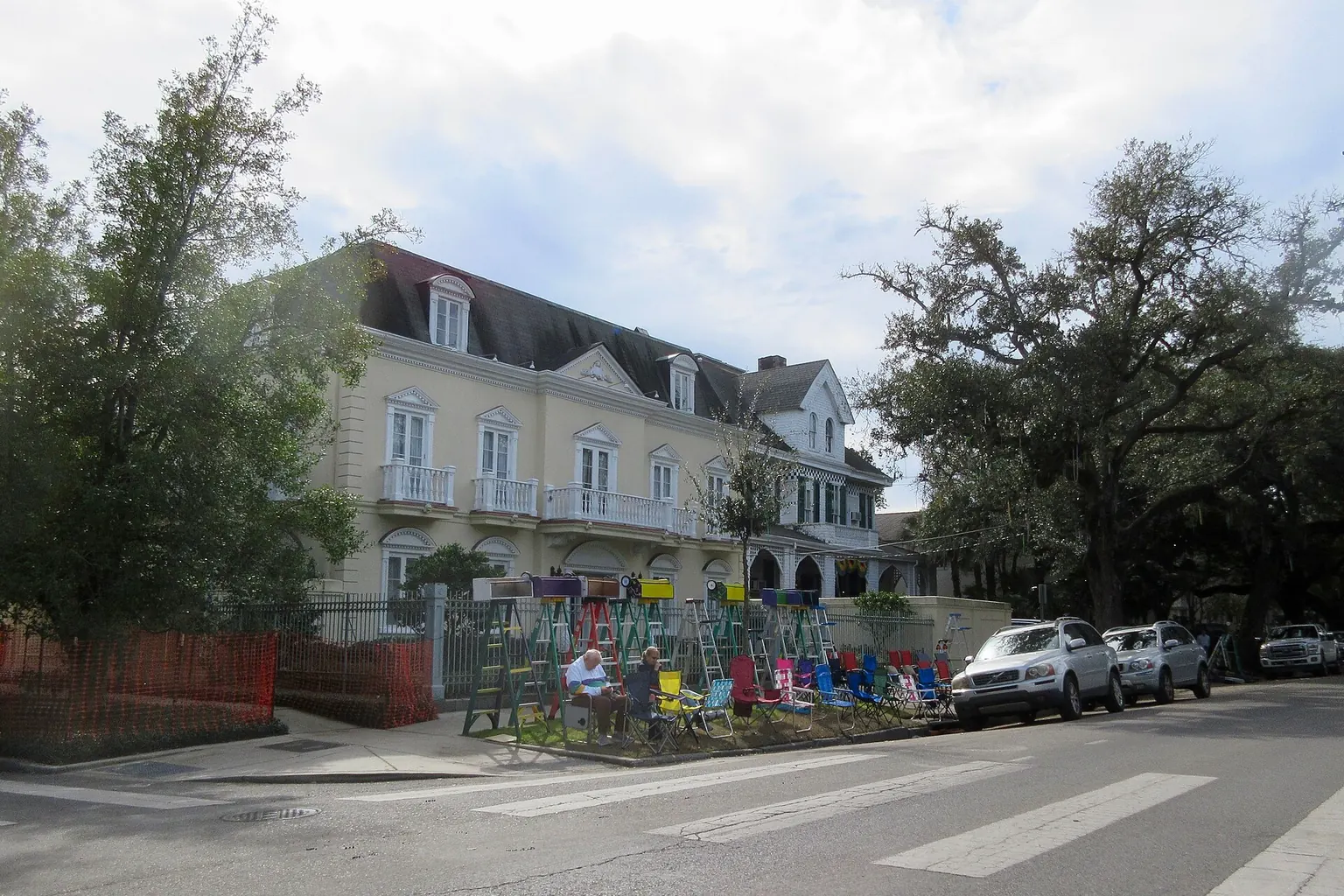
What the City's July 2026 ordinance changes for riders and spectators, the route rules to follow, and proposed changes still pending.
Quick answer: Mardi Gras 2027 is the first Carnival under Ordinance No. 35,491, which the City Council adopted as amended on July 23, 2026. Most of it governs krewes: safety harnesses for riders, limits and approval for throws, and no smoking, glass or alcohol dispensing on floats. For spectators, the big change is that prohibited ladders, tents, grills and similar obstructions are now misdemeanor offenses, and civil fines have gone up. The City's route rules still apply: no setup more than four hours early, ladders six feet back, no tents, ropes or generators. Final 2027 parade times and routes will come in January.
What the 2027 ordinance changes
The council's July 2026 committee summary describes a broad update to the City's Mardi Gras rules. Based on that summary and the ordinance text:
- Rider safety harnesses. Riders who stand with both feet on the float must wear a safety harness.
- Throws. The ordinance sets throw limits and requires approval of throws. The summary notes that branded food and small items are allowed.
- Float conduct. Smoking, glass and dispensing alcohol on floats are banned.
- Bands, support vehicles and car clubs. New rules cover marching bands, support vehicles and car clubs in parades.
- Penalties. Civil fines go up. Prohibited ladders, tents, grills and similar obstructions on the route become misdemeanor offenses.
For visitors, the last point is the one that matters. Some setups that once got a warning or a fine can now bring a misdemeanor charge. Read the City's route rules below and follow them exactly.
The route rules spectators must follow
The City's NOLA Ready page sets out the rules for spectators. Several were also in the 2026 council motion.
Timing
- No setup more than four hours before a parade.
Ladders
- No taller than six feet.
- Freestanding, and at least six feet back from the curb.
- Not fastened together, and not left on the route overnight.
Banned on the route
- Open flames and generators.
- Upholstered furniture, scaffolding and platforms.
- Enclosures such as tents and ropes, and marking spots with spray paint.
- Drones. The City points to FAA guidance.
- Weapons, confetti guns, Mylar balloons and unattended coolers.
- Pets, except service animals.
The 2026 council motion also banned confetti and said throwing would stop once floats reached Tchoupitoulas Street at the end of the Uptown routes. Portable toilets on public property need permission. To report suspicious activity, the City lists 504-821-2222.
What the rider rules mean from the curb
Most of the ordinance governs what happens on the floats, but you will notice some of it from the curb. Harnesses are required for riders who stand with both feet on a float. Throw limits and approval mean krewes have to clear what they throw, and the summary says branded food and small items are allowed. So you may see more of those and fewer of whatever a krewe did not get approved. The ban on glass and on dispensing alcohol on floats is aimed at riders, but it matches the City's advice to spectators: keep glass off the route. If something hits you or someone near you, tell the nearest police officer. The City's first-aid stations, shown on the Routewise map, open one hour before the first float.
Where each rule comes from
Three kinds of City documents shape Mardi Gras, and it helps to know which one you are reading. The ordinance, No. 35,491 for 2027, is permanent law until it is changed. It covers float safety, throws, conduct and penalties. The council motion, adopted each January, sets that season's parade order, start times and routes. The 2026 motion, M-26-50, also restated spectator rules such as the confetti ban. The City's NOLA Ready pages explain the rules to the public: setup times, ladders, banned items, parking and closures. When they disagree on a detail, the most recent official document wins. Check the January 2027 motion before you go.
Proposed changes to parade times
The NOPD has proposed several changes for 2027. These are proposals, not adopted rules:
- Formation changes for Sparta and d'Etat.
- No-parking in parade formation areas extended from two hours to four.
- Druids at 5:00 p.m.
- d'Etat moved ahead of Hermes at 5:30 p.m., with Hermes at 6:00 p.m. and Morpheus after Hermes.
- Tucks at 1:00 p.m.
The council normally adopts each season's times and routes by motion in January. Check our 2027 parade schedule, which we update when that happens.
Higher permit fees for krewes
On August 31, 2026, the City described a proposal from the Mayor's Mardi Gras Advisory Council for tiered parade permit fees: $5,000 for smaller krewes, $7,500 for mid-sized krewes and $10,000 for the largest. The City said permit fees had not increased since the Nagin administration, and that the proposed ordinance would run for five years but could be revisited before the 2031 season. This affects krewes, not spectators, but it is part of the same effort to update Carnival rules.
Parking and traffic rules
Parking on a parade route within two hours of a parade is towable, and so is parking next to a neutral ground. Large enclosed vehicles are banned within two blocks of a route for four hours before and after each parade. Our parking guide has the full list, fines and phone numbers.
What this means on parade day
Bring folding chairs, a six-foot ladder if you want one, and a cooler you will stay with. Set up no more than four hours ahead, keep ladders six feet back, and do not rope off space or put up a tent. If a police officer or a band member asks you to move back, do it. With families, follow the extra advice in our kids guide. The rules exist so that everyone can share the same streets safely, and in 2027 they carry real penalties.